Maintenance contracts

Medical equipment maintenance contracts

A maintenance contract with AxiTech puts your equipment on a planned schedule: preventive visits, calibration and performance verification, corrective interventions and a committed response time, for one predictable annual cost.

  • Planned preventive visits
  • Traceable calibration records
  • Committed response times
  • Parts and loaner cover
Illustration of a signed maintenance contract next to a year of planned visits

Maintenance contracts

Why hospitals and laboratories put equipment under contract

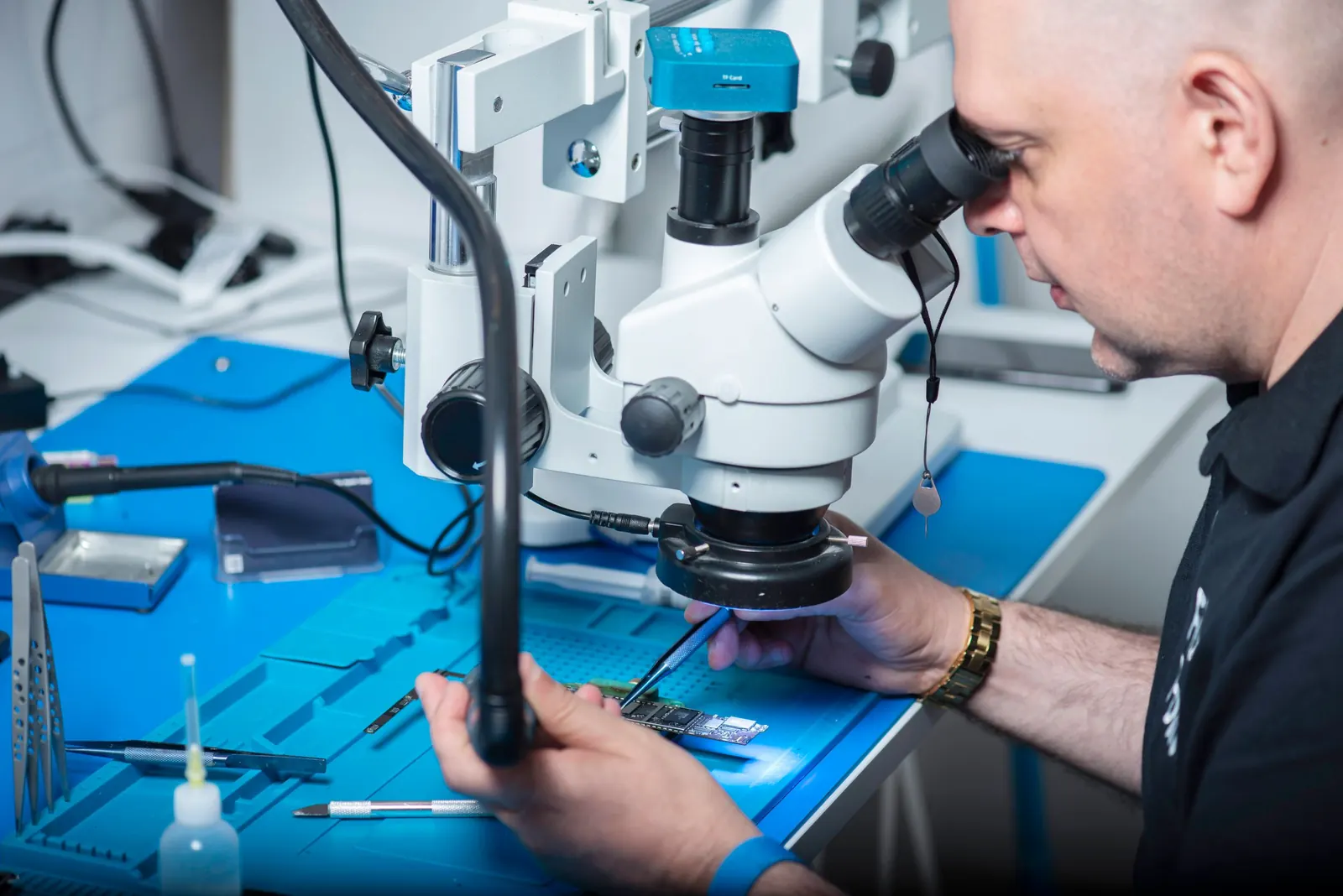
Illustration of an AxiTech engineer servicing hospital equipment

Uptime you can plan around

Preventive work catches wear before it stops a device, and the failures that still happen are answered against a committed response time instead of joining a general queue. A cancelled clinic list becomes the exception rather than a recurring cost.

Records your quality system can use

Every visit produces a signed report, a calibration record with measured values and traceability, and an updated device history. When an inspector, an accreditation body or your own quality manager asks for evidence, it already exists.

One predictable annual cost

Maintenance becomes a budget line instead of a series of unplanned invoices. Parts coverage, response times and visit frequency are fixed in writing, so the finance conversation happens once a year rather than after every breakdown.

Longer working life per device

Calibration, cleaning and timely replacement of wear parts keep a device inside specification for years longer. Deferred maintenance is the fastest way to turn a repairable fault into a replacement decision.

Three levels of cover

Every plan uses the same engineers, the same procedures and the same documentation. What changes is how often we come, how fast we respond, and how much of the corrective work and parts is included.

Comparison of the Essential, Advanced and Full Coverage maintenance plans
What is coveredEssentialPlanned preventive maintenance and calibrationMost chosenAdvancedFor departments where downtime has a clinical costFull CoverageFor critical equipment that cannot stop
Scheduled preventive visits per yearOne visit per yearTwo visits per yearThree to four visits per year, set by risk class
Calibration & performance verificationAt every scheduled visit, on safety-critical parametersAt every scheduled visit, full parameter setFull parameter set, plus verification after every intervention
Corrective interventionsBilled per intervention at contract ratesUp to four interventions per year includedUnlimited interventions included
Response timeNext business day for critical faultsWithin 8 business hours for critical faultsWithin 4 business hours for critical faults, seven days a week
Spare parts coverageQuoted separately, at contract ratesWear parts and defined consumables includedWear parts, defined consumables and standard spare parts included
Loaner equipmentOn request, subject to availabilityFor repairs exceeding five working daysFor repairs exceeding two working days, priority allocation
Remote supportPhone and email during business hoursPhone, email and remote diagnostics, extended hoursPhone, email and remote diagnostics, including out of hours
Reports & compliance recordsVisit report and calibration record per deviceVisit reports, calibration records and an annual equipment fileFull device history and audit-ready documentation on demand
Priority schedulingStandard scheduling queueAhead of all non-contract workHighest priority, guaranteed slot in the planned calendar

Every plan is scoped against your actual equipment list. Visit frequency, response commitments and parts coverage are confirmed in writing before the contract starts, and no pricing is published because no two inventories are alike.

What the contract covers

Scope is agreed device by device before signature. The list below is the standard baseline every contract starts from.

Illustration of a calibration instrument verifying a medical device

Included in every plan

  • Scheduled preventive maintenance visits, planned a year ahead around your clinical activity.
  • Functional testing and electrical safety testing on every covered device.
  • Calibration and performance verification against manufacturer specifications.
  • Cleaning, lubrication and replacement of the wear parts defined for each device.
  • Firmware and software updates released by the manufacturer for covered devices.
  • Fault diagnosis and corrective repair within the limits of the plan you choose.
  • Telephone and remote support during the hours agreed in the contract.
  • A written report, calibration record and updated device history after every visit.
  • A named service coordinator and a single point of contact for all scheduling.

Not included

  • Consumables used in normal clinical operation: electrodes, sensors, filters, reagents, printing paper.
  • Damage from misuse, liquid ingress, power surges or unauthorised modification.
  • Work performed by third parties outside the contract, and the consequences of that work.
  • Relocation, structural works and modification of the electrical or water supply.
  • Equipment beyond the manufacturer's supported life, where spare parts are no longer produced.
  • Facility infrastructure: mains supply, medical gas lines, drainage, network and IT systems.
  • Applications training beyond the handover session included in the contract.

Response-time commitments

Severity is set by clinical impact, not by the price of the device. You classify the call when you report it, and we confirm the classification at triage.

Response and on-site attendance commitments by fault severity
SeverityWhat it coversFirst responseOn-site attendance
CriticalEquipment is down and no clinical substitute is available. Patient activity is stopped or diverted.Within 1 business hourSame working day, or within 4 business hours under Full Coverage
DegradedEquipment still runs but with reduced accuracy, a persistent alarm, or a function lost.Within 4 business hoursWithin 2 working days
RoutineScheduled maintenance, calibration, installation, user questions and faults that do not block clinical use.Within 1 working dayAt the next planned visit, or within 5 working days

Business hours are Monday to Friday, 08:00 to 17:00 Beirut time. Full Coverage extends critical response to weekends and public holidays. Response is the time to a qualified engineer, not to an automated acknowledgement.

How a contract is set up and run

From the first site visit to the annual review, the same six steps apply whether you run one clinic or a multi-site hospital group.

  1. Assessment & inventory

    We visit your site and list every device by model, serial number, age and criticality, recording its current condition and whatever service history exists. This inventory is what everything else is priced and planned from.

  2. Contract scoping

    We agree what is covered, how often we come and how fast we respond. You receive a written scope and a quote per device class before anything is signed.

  3. Scheduled PM calendar

    Visits are planned for the whole contract year around your clinical activity, so maintenance lands when the equipment is free rather than when a session is running.

  4. Visits & calibration

    Our engineers carry out preventive maintenance, functional and electrical safety testing and calibration on site, and handle corrective work under the same contract.

  5. Reporting

    After every visit you receive a signed report, the calibration records and an updated device history: the documentation your quality system needs, produced as part of the work rather than on request.

  6. Annual review

    Once a year we review failure history, response performance and equipment condition with you, then adjust the plan, change visit frequency or recommend replacement where repair no longer makes economic sense.

Equipment we maintain

We maintain equipment across the clinical estate, whether or not we supplied it. Each category links to the matching part of our catalogue.

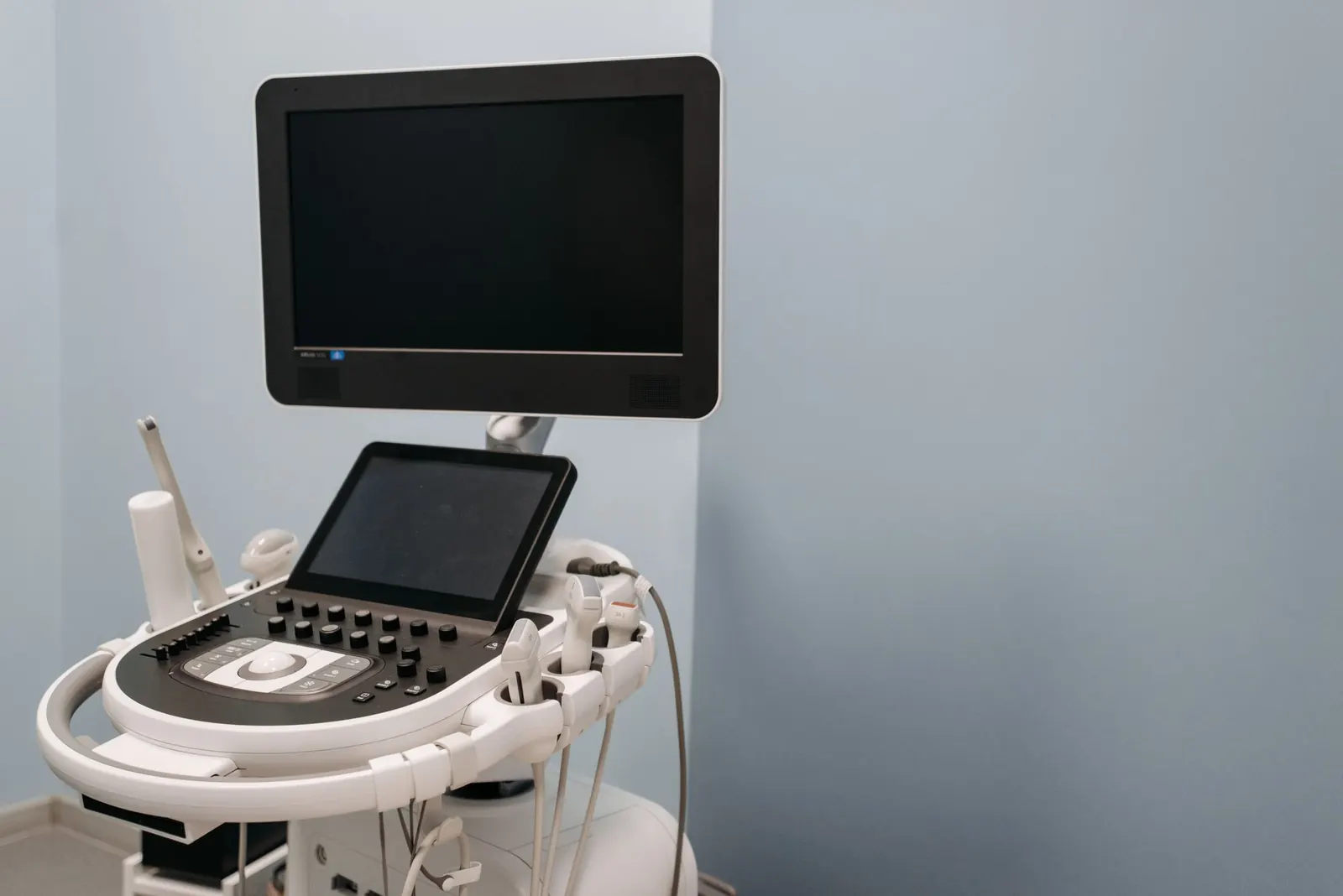
  • Imaging systems

    Imaging systems

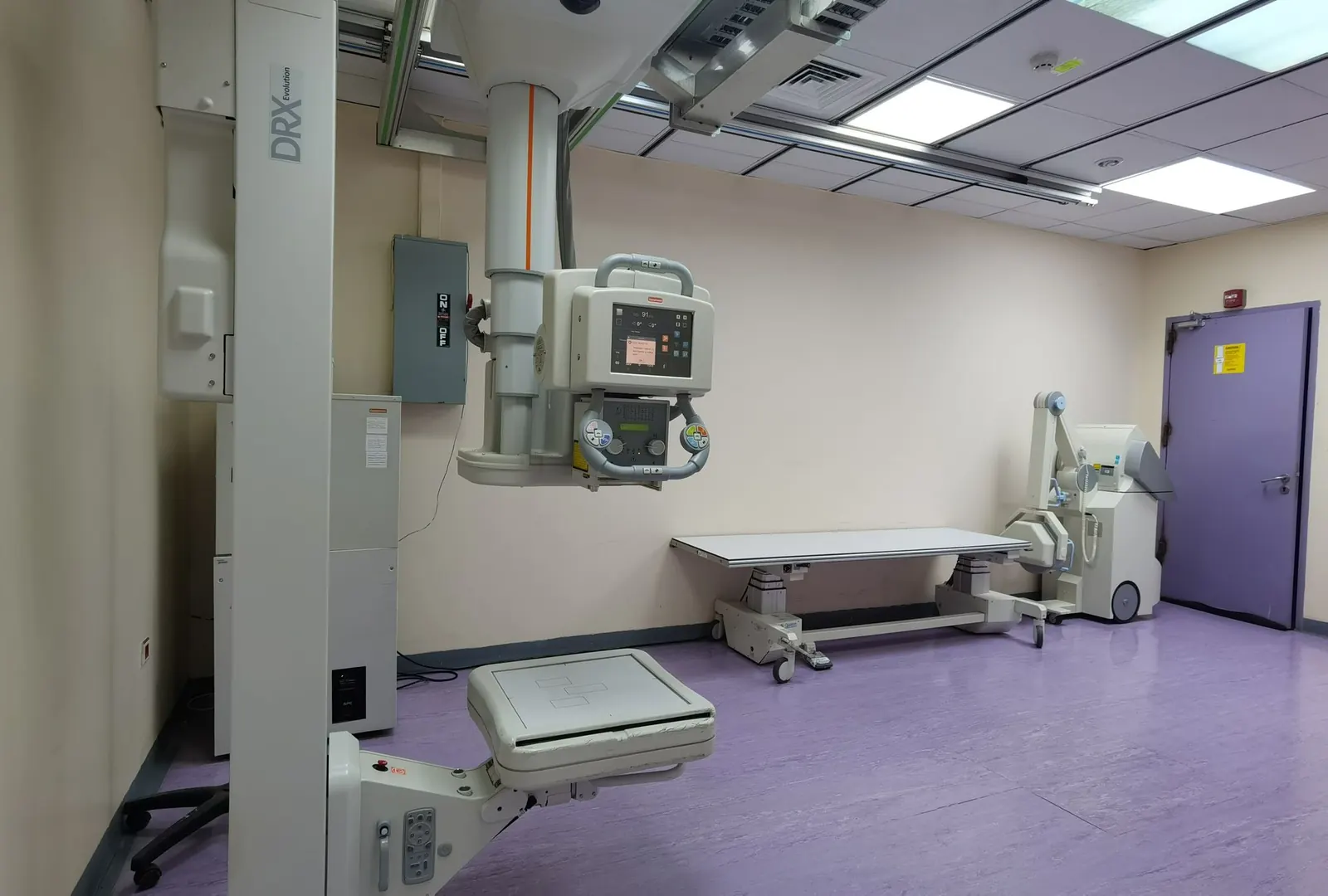
    X-ray, ultrasound, mammography and C-arm systems, including generator, detector and image-chain checks.

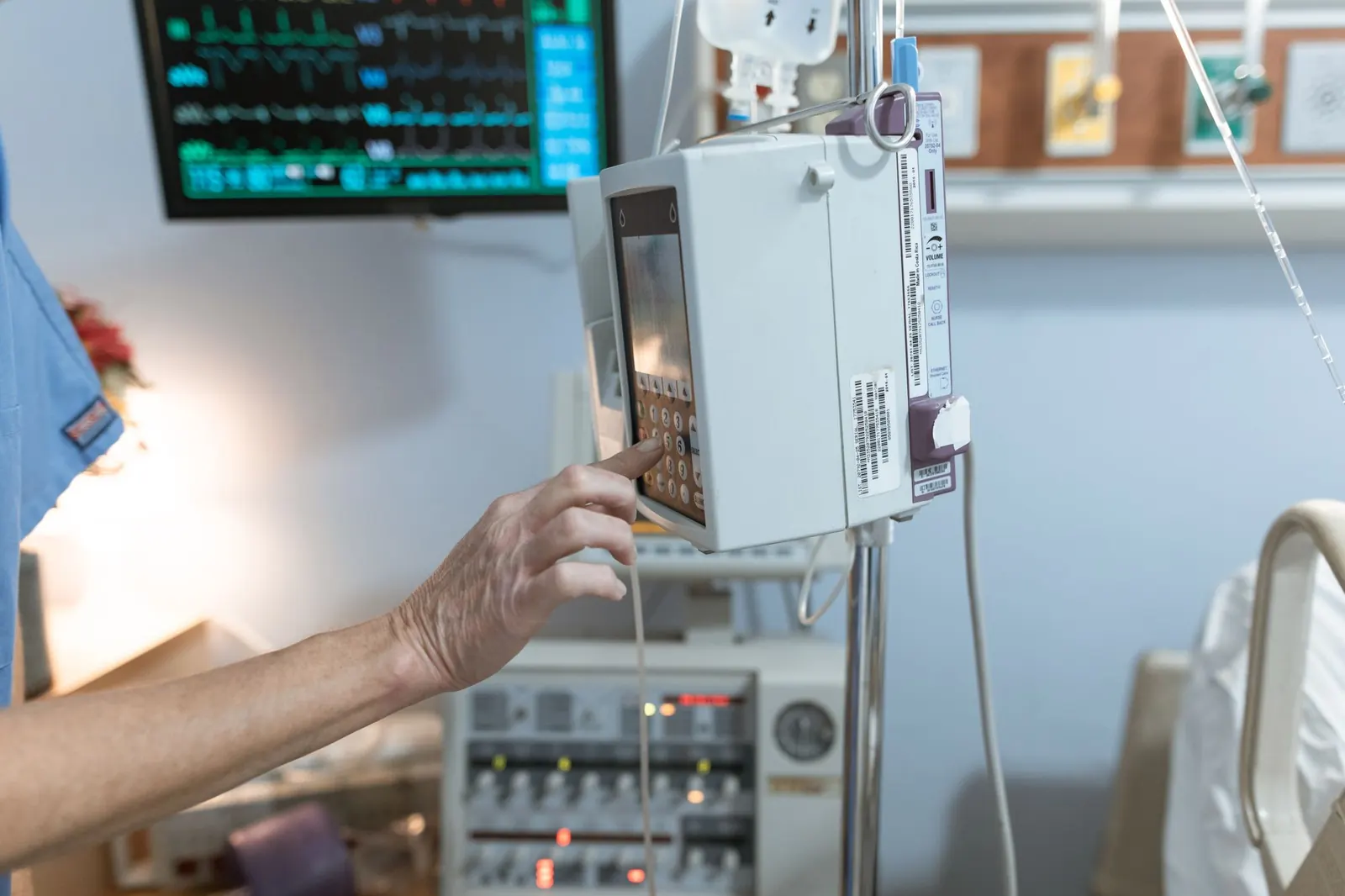
  • Patient monitoring

    Patient monitoring

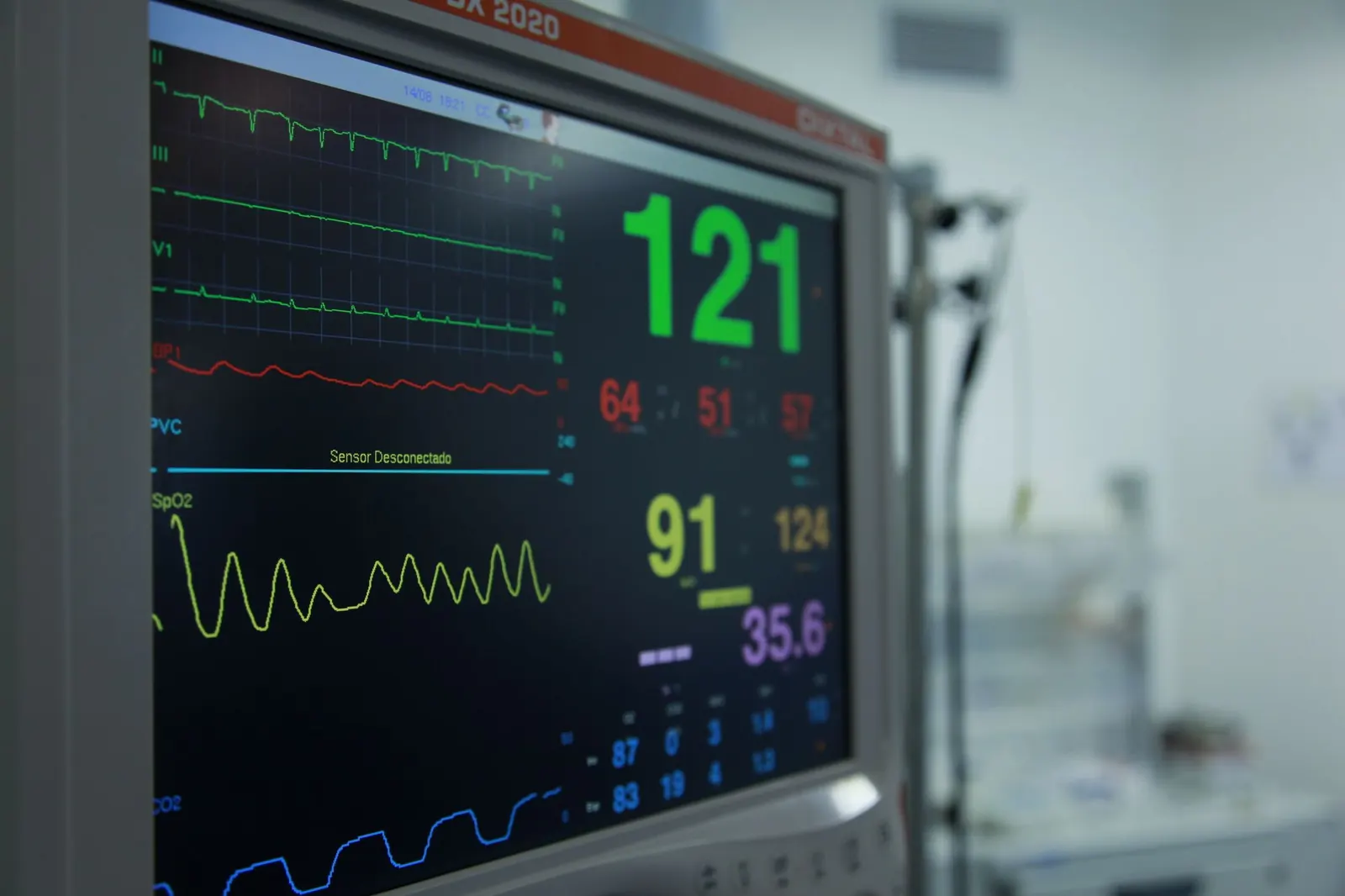
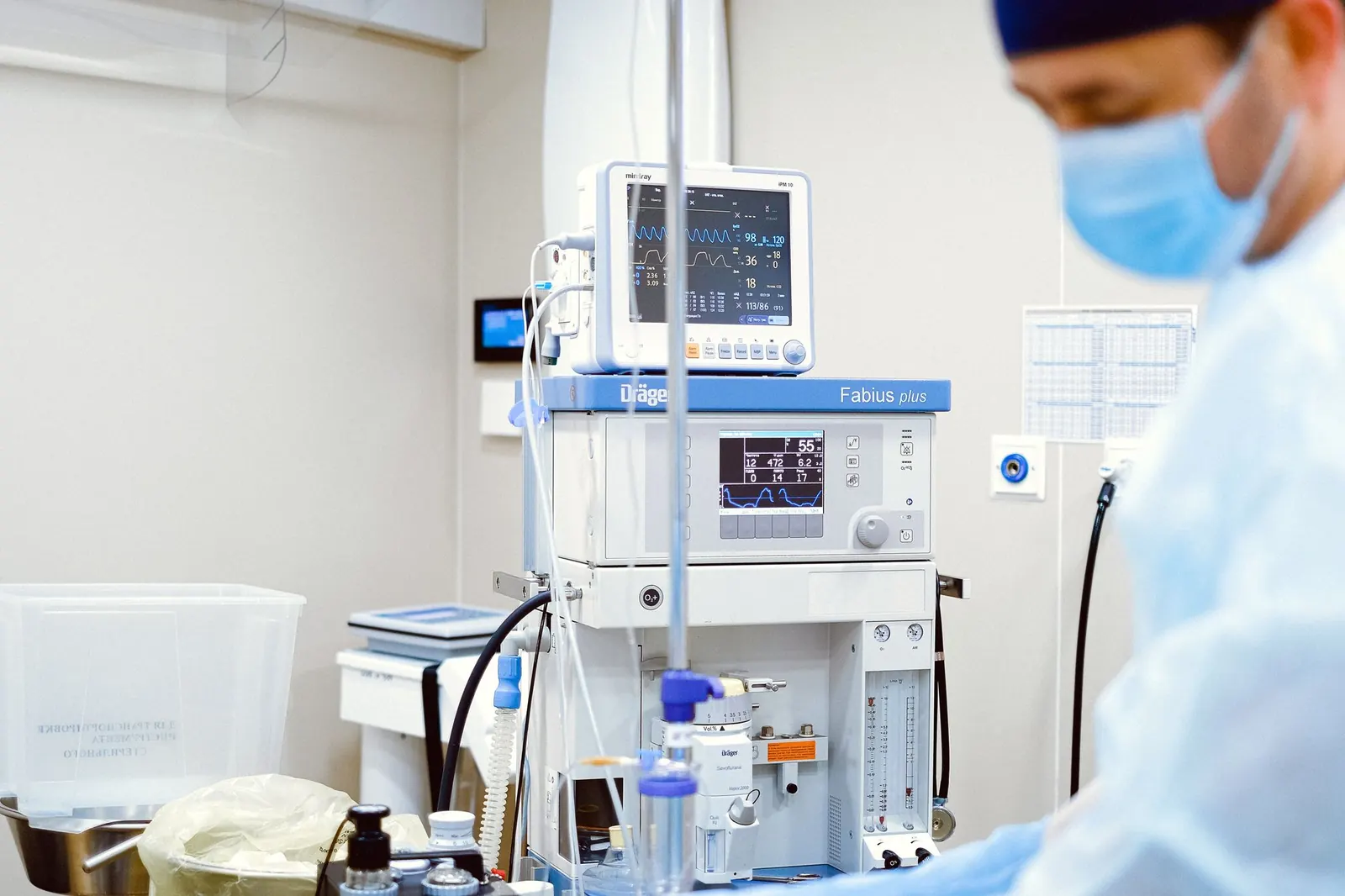
    Bedside and central monitors, telemetry, pulse oximetry and non-invasive blood pressure modules.

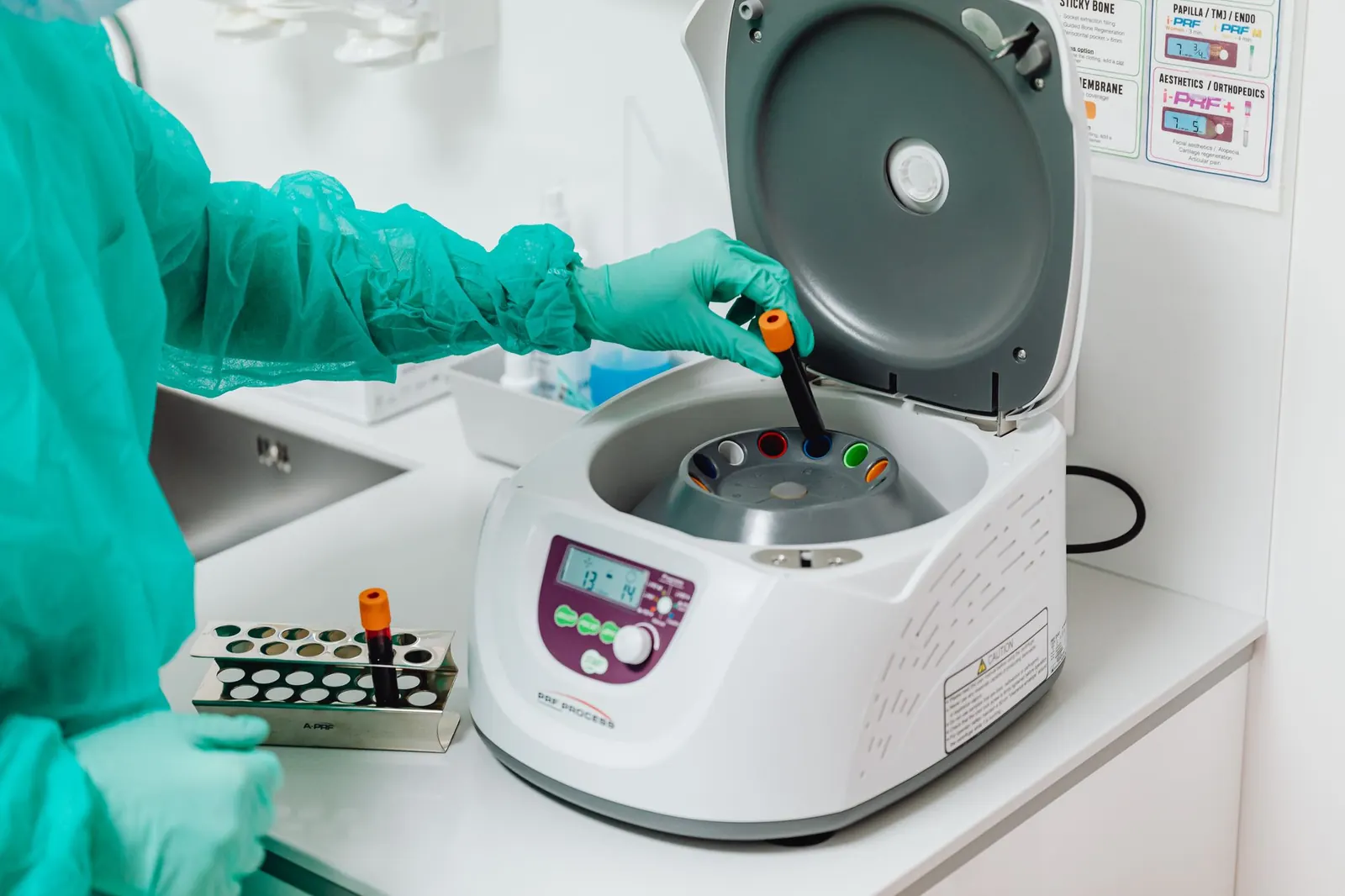
  • Laboratory & IVD analysers

    Laboratory & IVD analysers

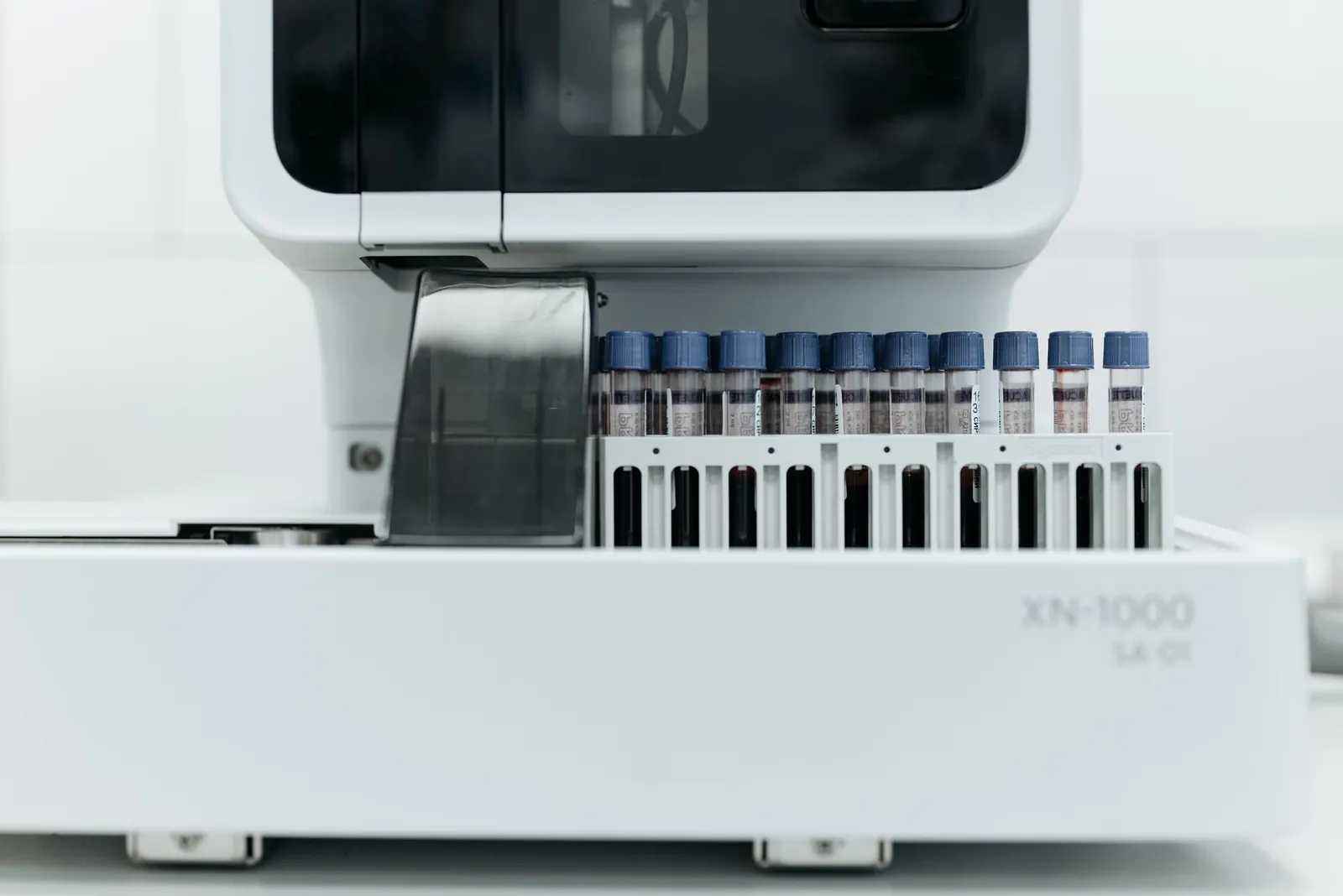
    Haematology, biochemistry and immunoassay analysers, centrifuges, incubators and microscopes.

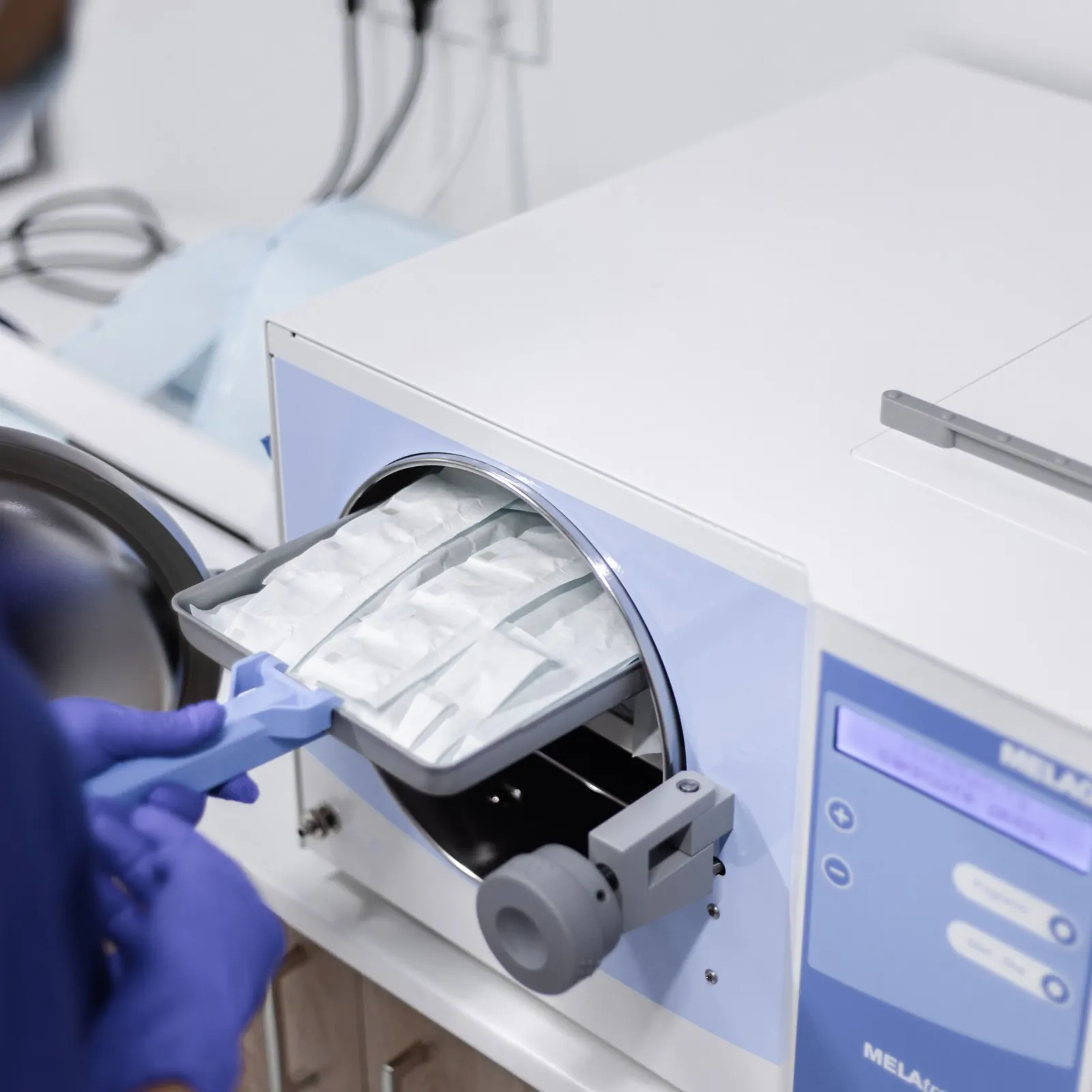
  • Sterilisation & autoclaves

    Sterilisation & autoclaves

    Steam autoclaves, washer-disinfectors and drying cabinets, with cycle validation support.

  • Surgical & operating room

    Surgical & operating room

    Electrosurgical units, surgical lights, operating tables, anaesthesia machines and suction units.

  • Life support & ventilation

    Life support & ventilation

    Ventilators, anaesthesia ventilators, CPAP and BiPAP units, and oxygen delivery equipment.

  • ECG & defibrillators

    ECG & defibrillators

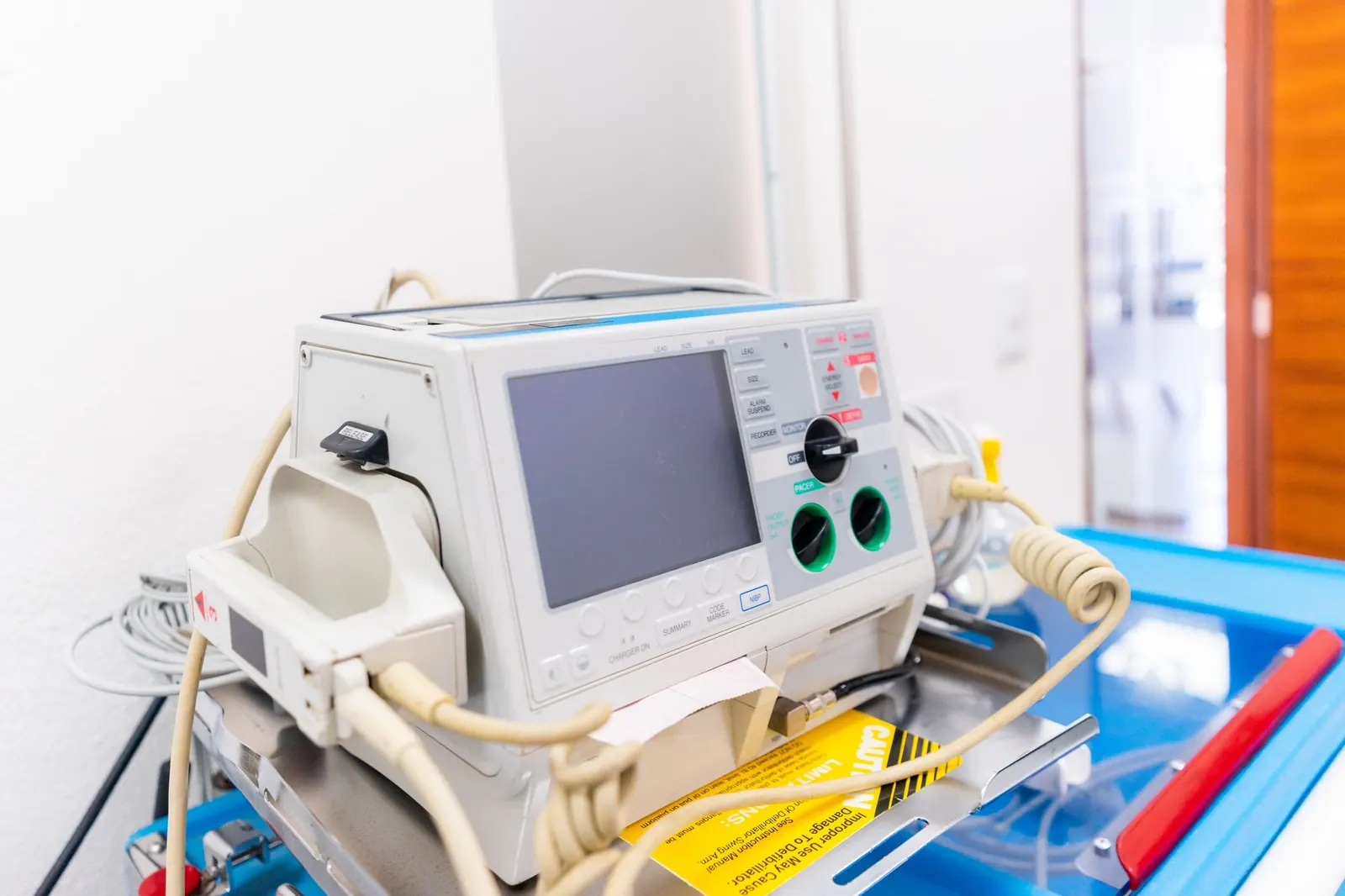
    Resting and stress ECG, Holter recorders, defibrillators and AEDs, including energy-output verification.

  • Infusion & syringe pumps

    Infusion & syringe pumps

    Volumetric infusion pumps, syringe drivers, feeding pumps and their docking stations.

  • Dialysis

    Dialysis

    Haemodialysis machines, water treatment loops and reverse-osmosis units.

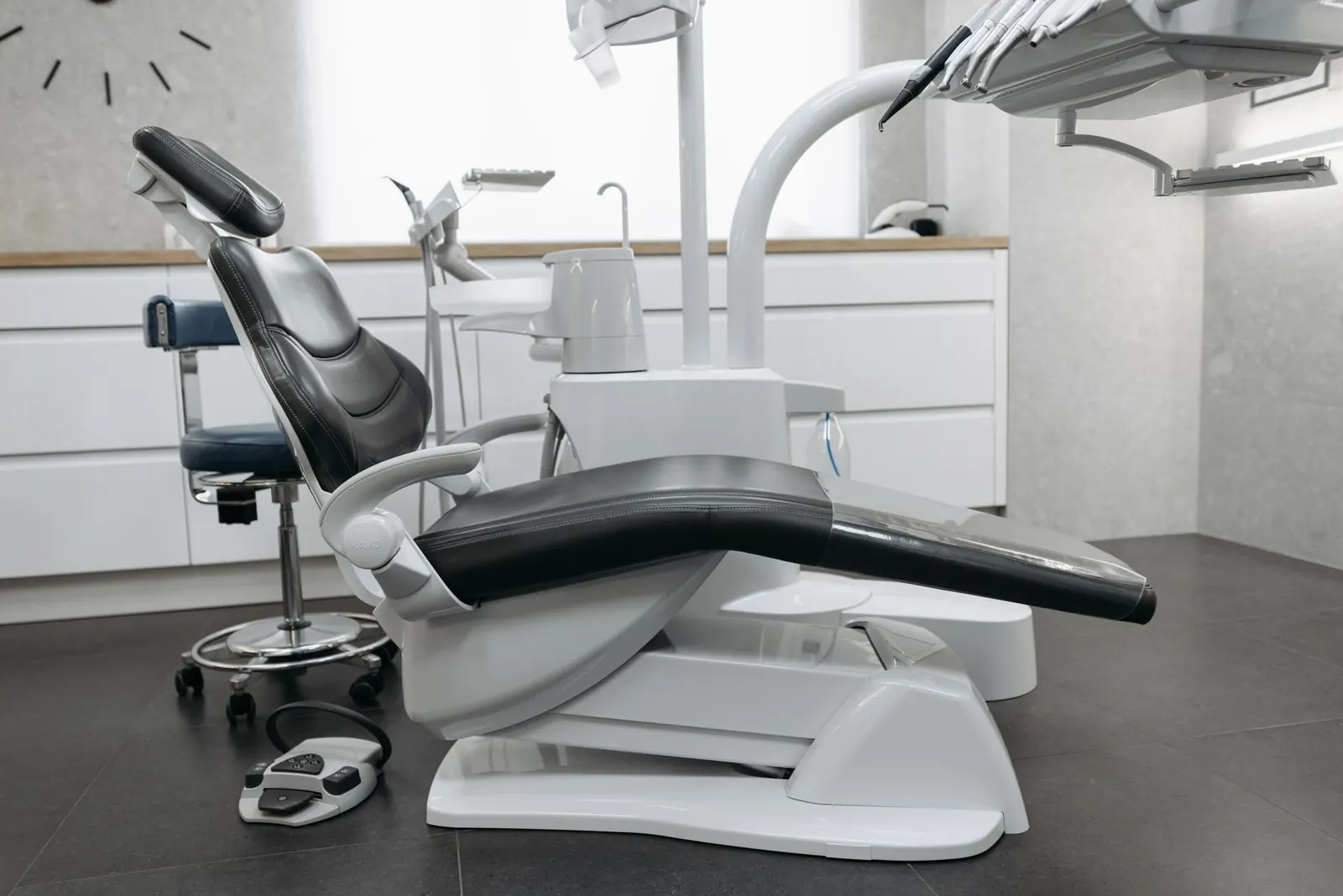
  • Dental equipment

    Dental equipment

    Dental units and chairs, compressors, intraoral sensors, curing lights and dental X-ray.

  • Physiotherapy

    Physiotherapy

    Therapeutic ultrasound, electrotherapy, shockwave, laser therapy and traction systems.

Maintenance contract questions

The questions biomedical, quality and procurement teams ask before they sign.

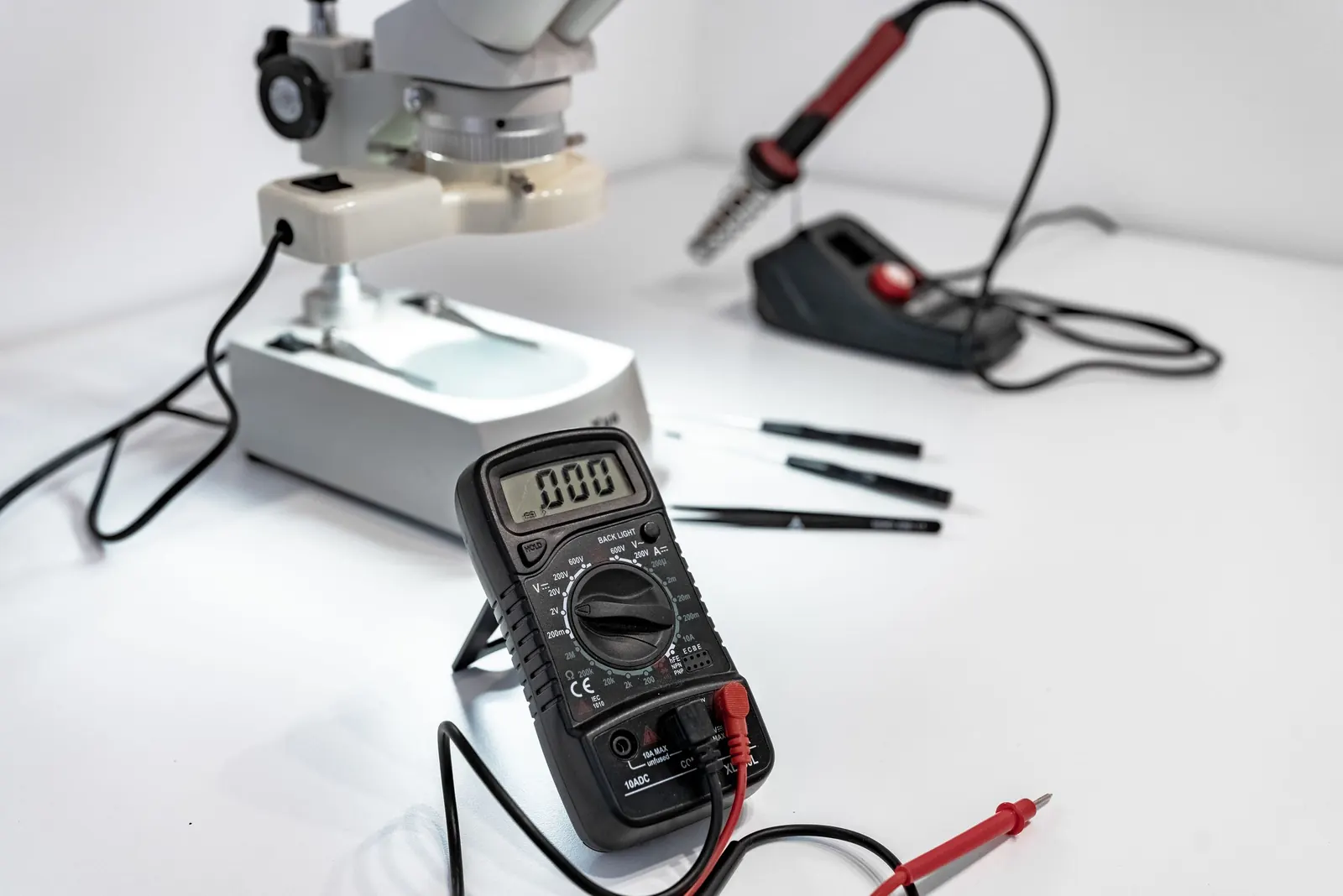
Illustration of a biomedical engineer's diagnostic toolkit

Most medical equipment should be serviced at least once a year, and life-supporting or measuring devices twice a year or more. The correct interval comes from the manufacturer's service manual, the criticality of the device and how heavily it is used: a ventilator on a busy intensive care unit needs a shorter cycle than a physiotherapy unit in an outpatient clinic. During the inventory stage we set an interval per device and write it into the contract.

Maintenance contracts

Ask for a maintenance contract quote

Send your equipment list. Make, model and quantity is enough to start. We come back with a scoped plan, a response commitment and a written quote, with no obligation.

No pricing is published because no two inventories are alike. Every quote is built from your own device list.

Illustration of a bedside patient monitor showing vital signs